
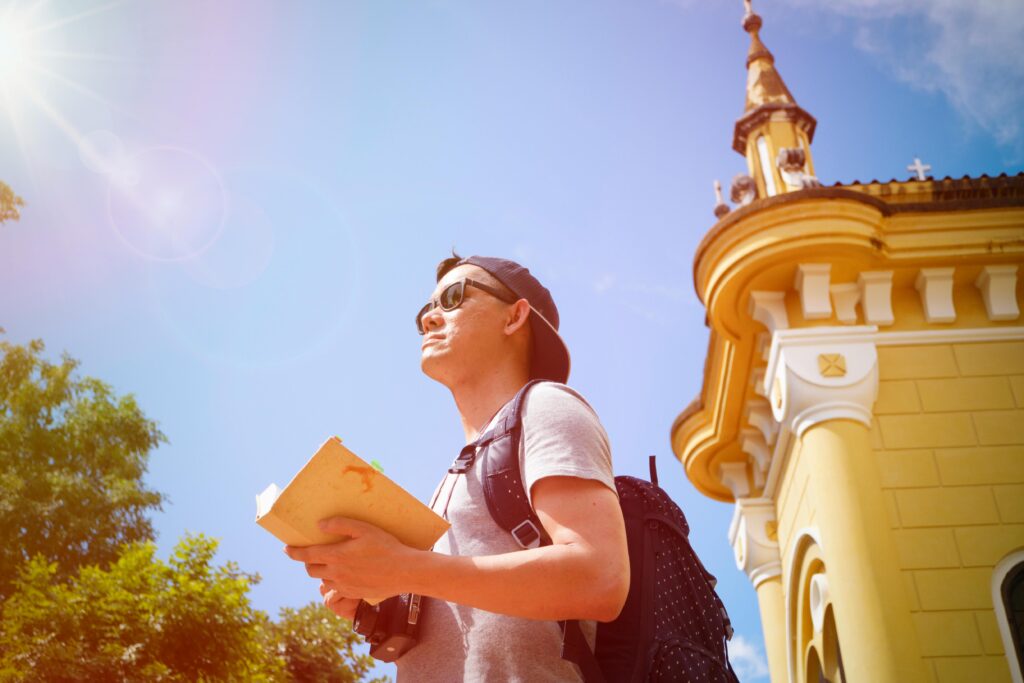
Everyone talks about how amazing studying abroad is. And it is. But the first semester is also really hard, and nobody warns you about that.
Here’s what to expect.
Culture shock hits later than you think
The first two weeks feel like vacation. Everything is exciting and new. Then around week three or four, reality sets in. You’re tired of not understanding social cues. Simple tasks take forever. You miss home.
This is normal. It’s called the “honeymoon phase ending.” It gets better, but it takes a few more weeks.
Making friends takes effort
In movies, international students arrive and immediately find their friend group. Real life is slower.
Local students already have friend groups. Other international students are all trying to figure things out too. It takes intentional effort to build friendships.
Join clubs. Attend social events even when you don’t feel like it. Say yes to invitations. It feels awkward at first, but that’s how connections happen.
Homesickness comes in waves
You’ll be fine for days, then something small—a song, a food, a holiday—will make you incredibly homesick. This doesn’t mean you made the wrong choice. It means you care about home.
Stay in touch with family, but also give yourself permission to be present in your new location. Balance is key.
Classes are different than you expect
Teaching styles vary dramatically between countries. If you’re used to lectures, you might struggle with discussion-based classes. If you’re used to structure, you might find the independence overwhelming.
Talk to professors during office hours. Ask classmates for help. Don’t suffer in silence because you’re embarrassed about not understanding expectations.
Bureaucracy is exhausting
Opening a bank account, getting a phone plan, registering with local authorities—everything takes longer and requires more documentation than you’d expect.
Set aside dedicated time for administrative tasks. Bring someone who speaks the language if possible. Keep copies of all important documents.
Money disappears faster than planned
Even with a budget, unexpected costs appear constantly. Books, supplies, social activities, winter clothing you didn’t know you’d need.
Build a buffer into your budget. Track spending carefully the first month so you know where money actually goes.
You’ll question if you made the right choice
Around November of your first semester, when the excitement has worn off but you haven’t yet built a real life, you’ll probably wonder if you should have stayed home.
Push through. By the end of your first year, most students say studying abroad was the best decision they made. But it takes time to get there.
What helps:
- Establish routines quickly
- Find one familiar thing (a cafe, a park, a grocery store) where you feel comfortable
- Connect with other international students who understand what you’re going through
- Give yourself permission to have bad days
- Remember why you chose this
The truth:
Studying abroad is incredible, but the first semester is an adjustment period. You’re not failing if you find it hard. You’re adapting to a major life change, which is supposed to be challenging.
It does get easier. By second semester, you’ll have friends, routines, and confidence. The hard early days make you appreciate how far you’ve come.